Why Is My Computer So Slow? 7 Common Causes and How to Fix It
There is nothing quite as disruptive to your day as clicking an icon on your screen and watching the cursor spin endlessly into oblivion. Whether you are trying to pull up a vital work document, jump into an online match with friends, or simply catch up on your favorite evening news, a sluggish computer can turn a simple task into an exercise in pure frustration.
If you find yourself asking, "Why is my computer so slow?" you are definitely not alone. It is one of the most common questions we hear from homeowners, remote professionals, and seniors in our community. Over time, even the most premier desktop systems and sleek laptops can bog down.
At Home Net Computer Repair, we believe that technology should serve you, not stress you out. As a family-owned team dedicated to providing unrivaled, transparent computer care, we want to help you restore your machine to peak performance. Below, we break down the 7 most common culprits behind a lagging PC, along with actionable steps you can take right now to get things running smoothly again.
1. Too Many Startup and Background Programs
When you turn on your computer, do dozens of applications quietly launch themselves right along with Windows? Cloud synchronization tools, automatic updaters, chat clients, and productivity software often sneak into your startup queue. Once running, they quietly siphon away your processor power and memory in the background.
How to Fix It:
- Press Ctrl + Shift + Esc to open the Task Manager.
- Navigate to the Startup tab.
- Review the list and click Disable on any non-essential application that doesn’t need to greet you the moment your desktop loads.
- Restart your machine and notice the immediate improvement in boot times.
2. Insufficient RAM (Random Access Memory)
Think of your computer’s RAM as its short-term workbench. If your workbench is small (say, 4GB or 8GB of RAM) and you have twenty browser tabs open, a spreadsheet running, and a video streaming in the background, your system will constantly struggle to juggle everything. When RAM runs out, your system resorts to swapping data onto your storage drive, creating a massive bottleneck.
How to Fix It:
- Open your Task Manager, click on the Performance tab, and select Memory to check your usage.
- Close heavy applications and browser tabs you aren't actively using.
- If your memory is consistently maxed out during normal tasks, it may be time for a comprehensive hardware upgrade. Our team specializes in bespoke RAM upgrades tailored precisely to your daily workflow and budget.
3. A Full, Aging, or Fragmented Hard Drive
Your storage drive holds everything from your operating system to your family photo albums. If your traditional mechanical hard drive (HDD) is nearing capacity: or worse, aging and failing: it has to physically spin and search across platters to fetch files, leading to agonizingly slow load times.
How to Fix It:
- Keep at least 15% to 20% of your system drive free. Use Windows Disk Cleanup to purge temporary files and old system update caches.
- If you are still relying on an older mechanical hard drive, transitioning to a modern Solid State Drive (SSD) is nothing short of transformative. An SSD has no moving parts and can make your computer boot and open apps up to ten times faster. Explore our Seattle Custom PC Building services if you are ready for a lightning-fast hardware overhaul.
4. Malware, Adware, and Unwanted Software
Sometimes, the reason for a sudden drop in speed isn't hardware fatigue: it’s digital clutter. Malicious software, aggressive adware, or "bloatware" programs installed unknowingly while downloading free software can run hidden scripts that hog your system resources.
How to Fix It:
- Run a comprehensive scan using Windows Security or a reputable antivirus program.
- Navigate to your system settings, review your installed applications, and ruthlessly uninstall anything unfamiliar or unnecessary.
- If your system feels deeply compromised or infected, don't hesitate to reach out. We provide stress-free diagnostics and Seattle Data Recovery Services to ensure your personal files remain safe and secure.
5. Outdated Operating Systems and Drivers
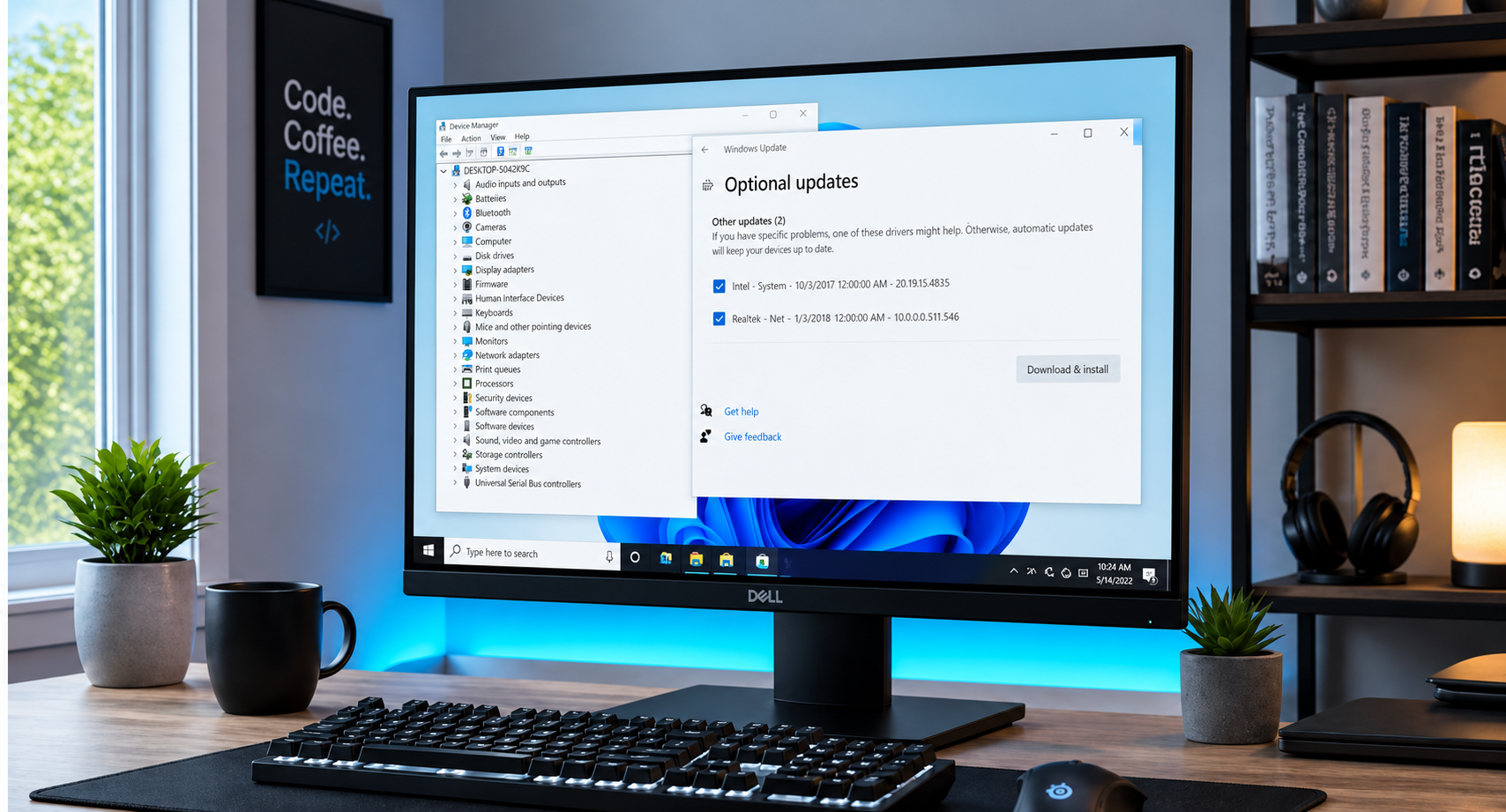
Your computer's hardware relies on software instructions called drivers to communicate with the operating system. When Windows, graphics drivers, or motherboard BIOS versions fall heavily out of date, compatibility glitches and inefficient resource management can drag down your overall speed.
How to Fix It:
- Go to Settings > Windows Update and make sure all pending security and feature updates are installed.
- Check your device manufacturer's website for updated chipset and display drivers, or let our experienced technicians handle the technical heavy lifting for you with absolute precision.
6. Overheating and Thermal Throttling
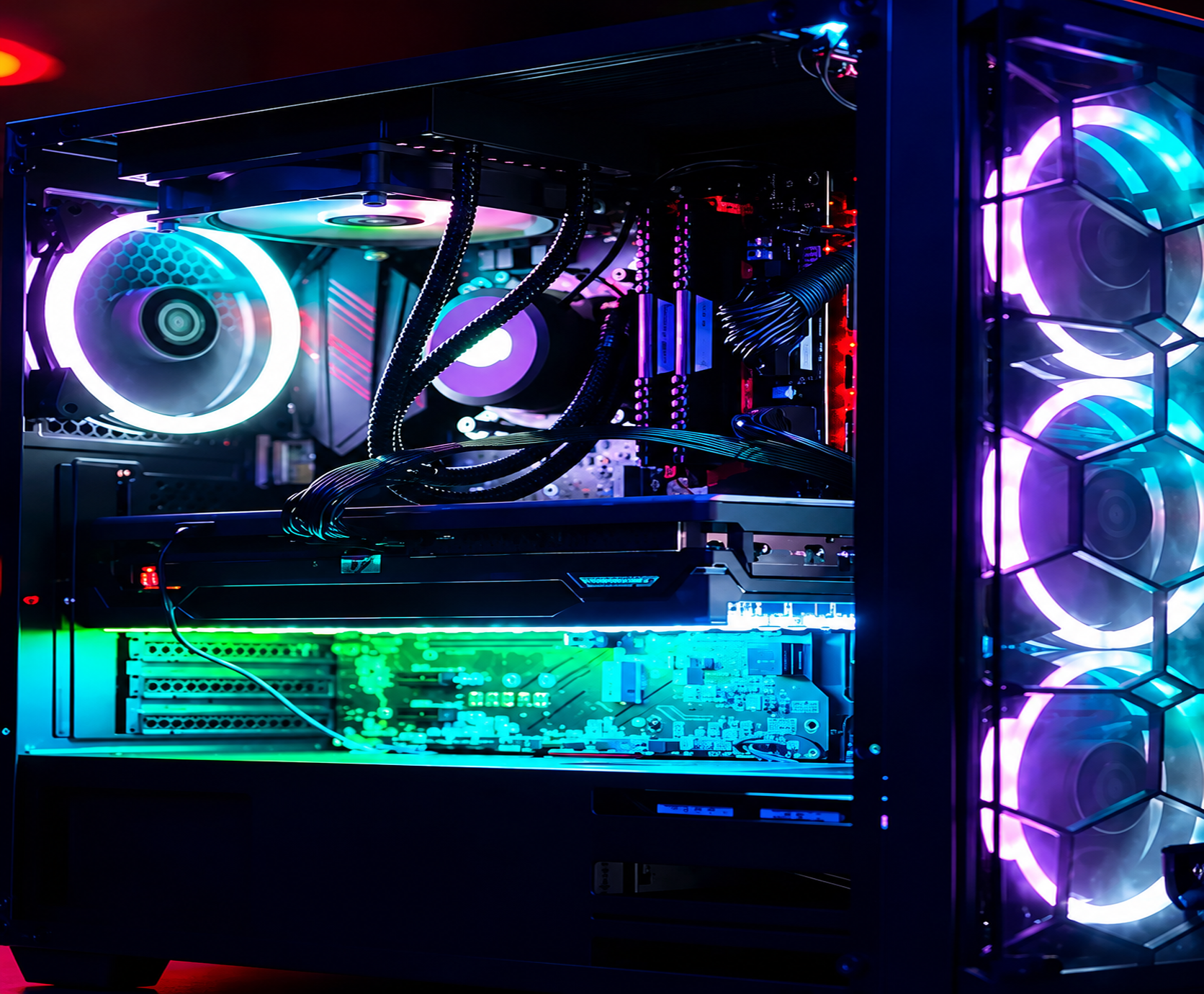
Have you noticed your laptop fan sounding like a jet engine, or your desktop freezing up after twenty minutes of gaming or video editing? When dust cakes your cooling fans and heat sinks, or when old thermal paste dries out, your processor gets too hot. To protect itself from permanent damage, it automatically "throttles" its speed, causing dramatic performance drops.
How to Fix It:
- Power down your computer completely and use a can of compressed air to carefully clear dust from intake vents and fans.
- Never block airflow by placing laptops on soft blankets, beds, or carpeted floors.
- If cleaning the exterior doesn't solve the issue, your system may need professional internal cleaning and fresh thermal paste application.
7. System Clutter and Visual Bloat
Over years of daily use, temporary internet files, corrupted registry keys, and excessive visual animations accumulate in the background. While Windows features sleek translucent windows and fade-in animations, older hardware can struggle to render these cosmetic touches smoothly.
How to Fix It:
- Periodically clear your web browser cache and remove unnecessary extensions.
- Search for "Adjust the appearance and performance of Windows" in your start menu and select the option to optimize for performance if your machine is on the older side.
Utilize Our Expertise for a Hassle-Free Experience
Tackling computer troubles on your own shouldn't feel like an uphill battle. If you have optimized your settings, cleaned out your startup folder, and your machine is still dragging its feet, it’s time to call in a trusted neighbor.
At Home Net Computer Repair, we pride ourselves on transparent, upfront pricing, top-quality parts, and personalized solutions tailored directly to your needs. Best of all, we come right to your door with our convenient pick-up and return service, taking all the friction out of getting your tech repaired.
Ready to restore speed, reliability, and peace of mind to your daily routine? Get in touch with us today, and let’s get your computer running like new again!