Understanding Cloud Storage: What It Is and How to Use It
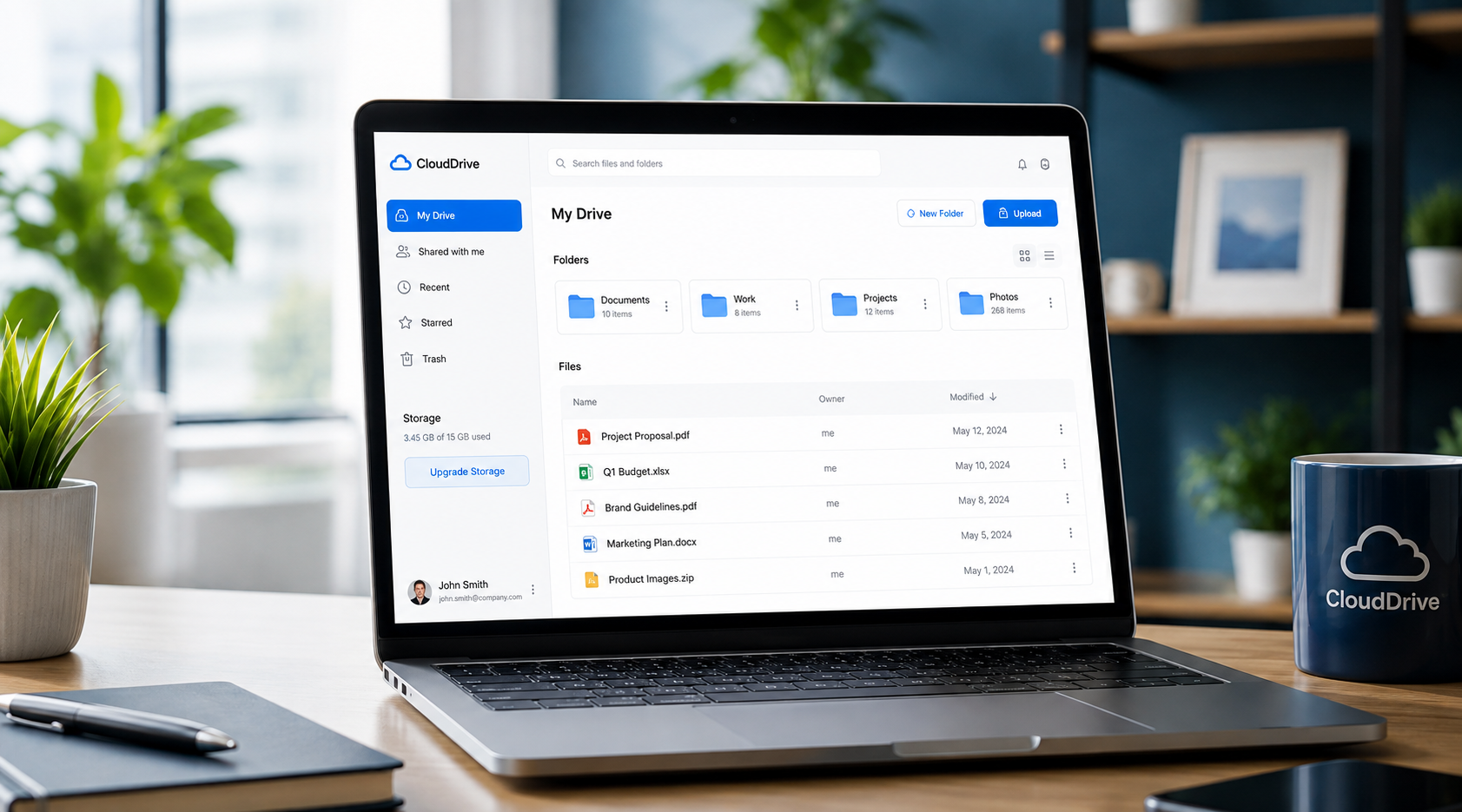
Have you ever stared at your computer screen, watching the dreaded spinning wheel while wondering what would happen if your hard drive decided to call it quits today? We have all been there. Whether it is a lifetime of precious family photographs, crucial tax documents, or critical work spreadsheets scattered across your desktop, the fear of losing your digital life can be deeply stressful.
At Home Net Computer Repair, we believe technology should feel like an empowering tool, not a constant source of anxiety. Serving our wonderful communities across the greater Puget Sound region: from Seattle and Bellevue to Kirkland, Bothell, and beyond: we meet wonderful neighbors every day who want a simpler, more secure way to manage their files.
That is where cloud storage comes in. In this comprehensive guide, we will demystify the cloud, explore how it works, and show you how to harness this premier technology for a truly seamless, hassle-free digital experience.
Demystify the Cloud: What Is It, Really?
When people hear the term "cloud storage," it is easy to imagine some mystical realm floating high above us. In reality, the cloud is wonderfully grounded: it is simply someone else's ultra-secure, heavy-duty computer server farm.
Instead of saving your files exclusively onto your laptop's physical hard drive or an external USB stick sitting in your desk drawer, cloud storage lets you transfer your data securely over the internet to offsite servers maintained by trusted providers like Google, Microsoft, or Apple.
[ Your Computer / Phone ] -- (Encrypted Internet Connection) --> [ Secure Remote Cloud ]
Why is this game-changing for home users and small businesses alike? Because your files are no longer anchored to a single piece of hardware. If your laptop takes an accidental spill of morning coffee or your home office desktop suffers a sudden hardware failure, your files remain safe, pristine, and waiting for you on the other side.
Explore Our Services: Cloud Storage vs. Local Backup
As a family-owned business specializing in expert computer repairs and upgrades, we often get asked: “If I use cloud storage, do I still need local backups or hardware maintenance?”
The short answer is: the most robust strategy combines both.
While cloud storage offers unrivaled convenience and remote access, physical hardware still plays a foundational role in your digital ecosystem. Here is how they work together:
- Cloud Storage & Backup: Perfect for automated, off-site protection against fires, theft, or catastrophic hardware crashes. It allows you to access your photos and documents from your phone while running errands or from a tablet while traveling.
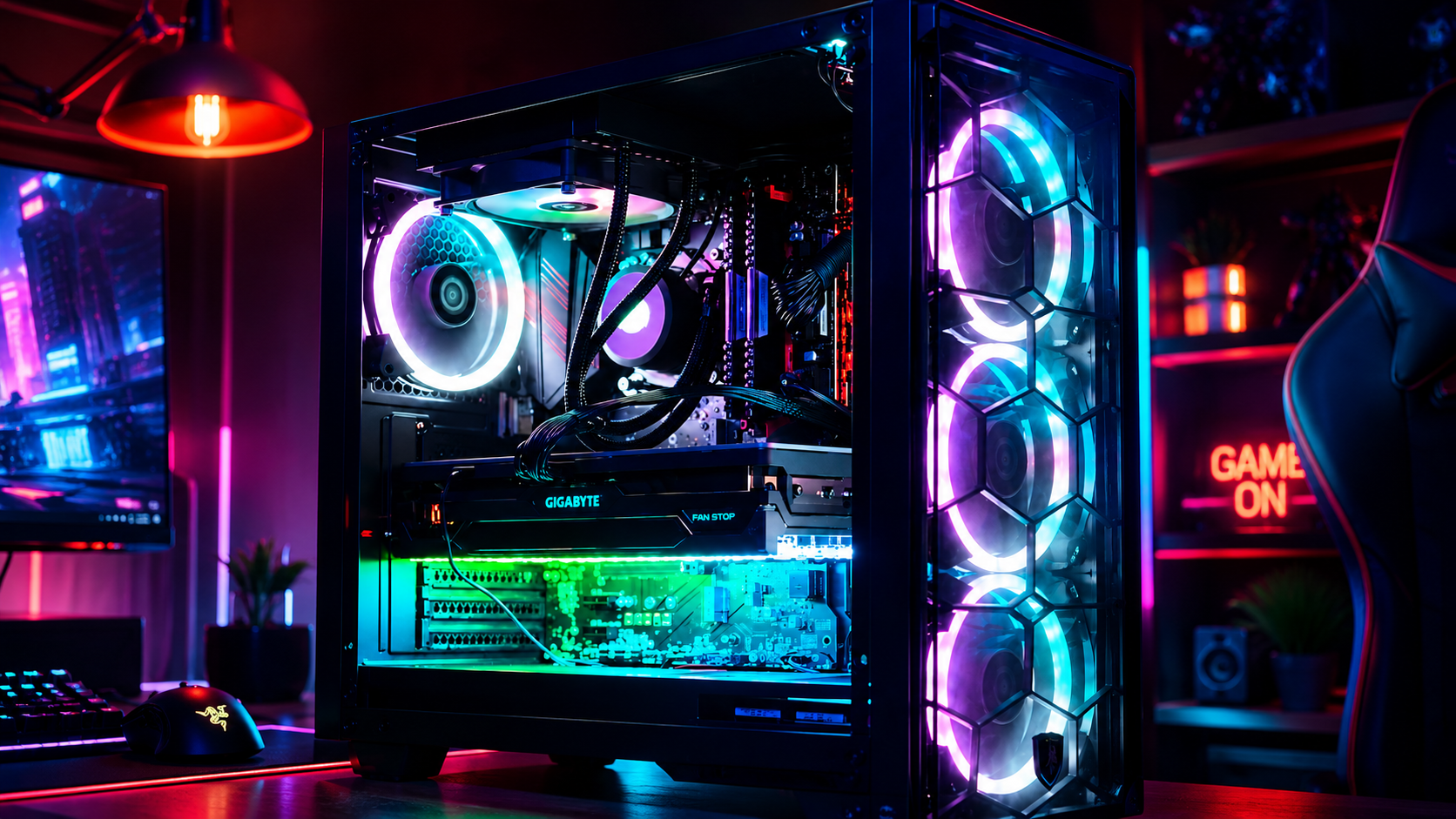
- Local Storage & Custom Builds: Essential for lightning-fast file editing, heavy gaming rigs, and high-performance video production. If you are looking for a powerhouse system tailored to your exact needs, take a look at our custom PC building services.

- Data Recovery: Even with the best cloud habits, unexpected failures happen. If an older drive ever lets you down before you could sync it, our specialized data recovery services are here to bring your memories back to life.
Craft Your Experience: How to Choose and Set Up Your Cloud Solution
Getting started with cloud storage does not have to feel overwhelming. By taking it one step at a time, you can create a bespoke filing system that keeps your digital life organized and stress-free.
1. Select Your Ecosystem
Most households and small businesses already have access to premier cloud platforms without realizing it:
- Google Drive: Excellent for everyday users, offering seamless integration with Android devices, Gmail, and Google Docs.
- Microsoft OneDrive: The go-to choice for Windows users and Microsoft 365 subscribers, syncing effortlessly with your PC's native folders.
- Apple iCloud Drive: The gold standard for iPhone, iPad, and Mac owners, keeping photos and device backups completely synchronized.
2. Install Apps and Enable Syncing
Once you choose a provider, download their official desktop and mobile applications. A dedicated "Cloud Folder" will appear on your computer. Simply drag and drop your important documents and folders inside, and watch as they quietly sync to the cloud in the background.
3. Establish a Clean, Logical Structure
Avoid the temptation to dump everything into a single chaotic folder. Create clear, intuitive categories like /Personal Documents, /Family Photos, and /Financial Records. A tidy digital filing cabinet saves you precious time and eliminates daily frustration.
Utilize Our Expertise: Best Practices for Peace of Mind
Embracing cloud storage is a stellar step toward digital peace of mind, but security and proper maintenance are key to keeping your personal data protected. Here are a few proven tips from our team:
- Turn on Two-Factor Authentication (2FA): Always add an extra layer of security to your cloud accounts. A password alone can be guessed, but a verification code sent to your phone keeps intruders at bay.
- Share Wisely: When sending links to friends, family, or business partners, set precise permissions (e.g., "view only" instead of "anyone can edit") to prevent accidental file alterations.
- Maintain a Hybrid Approach: Combine your cloud storage with an occasional offline backup to an encrypted external hard drive for ultimate data resilience.
Reach Out for Personalized Tech Support
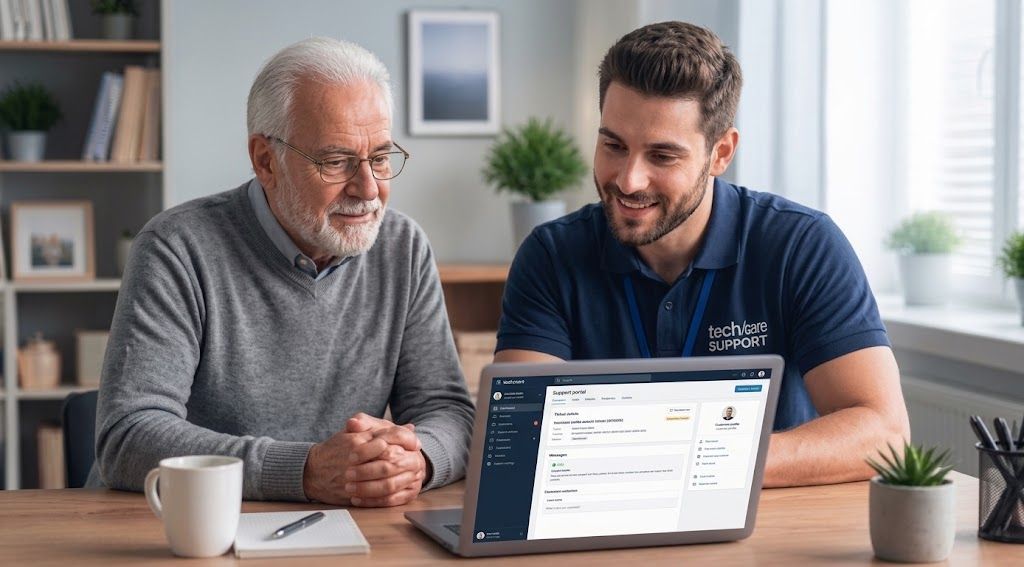
Technology should serve you: not the other way around. Whether you are setting up cloud storage for the first time, looking to upgrade your home office hardware, or need patient, one-on-one tech tutoring tailored specifically for seniors, Home Net Computer Repair is here to help.
We pride ourselves on honest, transparent pricing, top-quality parts, and our signature pick-up and return service for ultimate convenience. Reach out to our friendly team today, and let us make your technology stress-free, accessible, and completely reliable!